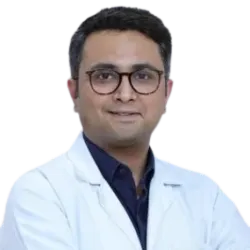
Jaipur
08048060946
+919024248683
Advanced Pulmonary Treatments

Pulmonary Rehabilitation

Available
Phone Number

08048060946

Please keep 0 before dialling the number.

Email Address drssharma9@gmail.com

Mon-Thu: 10 AM - 2 PM • Fri: 3 PM - 7AM

Address Rama Speciality Clinics, Opp. Teja Ji Mandir(sector 3), Main Tonk Road, Pratap Nagar , Sanganer, Sanganer, Pratap Nagar, Jaipur, Rajasthan 302033, India

Jaipur, India, 302033

Description

Pulmonary Rehabilitation Program Led by Dr. Shubham Sharma, MD (Pulmonary Medicine) Specialist in Respiratory & Critical Care Medicine πŸ” What is Pulmonary Rehabilitation? Pulmonary Rehabilitation (PR) is a comprehensive, multidisciplinary program designed to help individuals with chronic lung diseases manage their symptoms, improve their physical capacity, and enhance their overall quality of life. It combines exercise training, education, lifestyle counseling, and psychological support tailored to the needs of each patient. πŸ§‘β€βš•οΈ About Dr. Shubham Sharma Dr. Shubham Sharma is a board-certified Pulmonologist with advanced expertise in the treatment and rehabilitation of chronic respiratory conditions. With a patient-centered approach and a commitment to evidence-based care, Dr. Sharma leads one of the region’s most respected Pulmonary Rehab Programs. 🩺 Who Should Enroll in Pulmonary Rehabilitation? This program is highly beneficial for patients with: Chronic Obstructive Pulmonary Disease (COPD) Asthma (moderate to severe) Interstitial Lung Disease (ILD) Bronchiectasis Pulmonary Fibrosis Cystic Fibrosis Pulmonary Hypertension Post-COVID-19 lung complications Pre- and post-lung surgery or transplant πŸ”§ Program Components 1. πŸ§ͺ Comprehensive Medical Evaluation Lung function tests (e.g., Spirometry, DLCO) 6-minute walk test Oxygen saturation and needs assessment Individualized goal setting 2. πŸƒβ€β™‚οΈ Exercise Training Supervised aerobic training (treadmill, cycling, walking) Resistance/strength training for arms and legs Flexibility and breathing techniques (e.g., pursed-lip, diaphragmatic) 3. πŸŽ“ Patient Education Understanding your lung disease Medication and inhaler techniques Preventing and managing exacerbations Oxygen therapy and its correct use Travel and activity planning with lung disease 4. 🧠 Psychosocial & Emotional Support Counseling for anxiety, depression, and panic related to breathlessness Stress management techniques Peer support and group interaction 5. 🍎 Nutritional Guidance Diet tailored to lung health Weight management strategies Nutrition in oxygen therapy and corticosteroid use 6. 🚭 Smoking Cessation (if applicable) Behavioral therapy Medication-assisted quit plans Relapse prevention support βœ… Benefits of Pulmonary Rehabilitation 🫁 Reduced breathlessness and fatigue πŸ’ͺ Improved stamina and exercise tolerance 🏠 Greater independence in daily activities πŸ“‰ Fewer hospital visits and readmissions 🧘 Improved mental well-being and quality of life πŸ’Š Better medication adherence and inhaler use πŸ₯ Program Structure & Duration Duration: 6 to 12 weeks Frequency: 2–3 sessions per week Formats: In-person (clinic or hospital-based) Tele-rehabilitation (remote monitoring) Home-based plans (for selected patients)

Other Treatments

view all

EBUS-TBNA (Endobronchial Ultrasound-Guided Transbronchial Needle Aspiration)

EBUS-TBNA (Endobronchial Ultrasound-Guided Transbronchial Needle Aspiration) Minimally Invasive, High-Precision Lung and Mediastinal Biopsy πŸ” What is EBUS-TBNA? EBUS-TBNA is a minimally invasive diagnostic procedure used to sample (biopsy) lymph nodes and masses located in and around the lungs and mediastinum (the central part of the chest cavity between the lungs). It is performed using a bronchoscope equipped with an ultrasound probe, allowing doctors to visualize structures beyond the airway walls in real-time and collect tissue samples with a fine needle β€” all through the airways, without external incisions. πŸ§‘β€βš•οΈ Common Indications EBUS-TBNA is commonly used to: Diagnose or stage lung cancer Investigate enlarged mediastinal or hilar lymph nodes Diagnose sarcoidosis Evaluate tuberculosis or fungal infections Assess lymphoma or metastatic cancers Avoid the need for more invasive surgeries (e.g., mediastinoscopy) 🧬 What Does the Procedure Involve? Preparation Performed under local anesthesia and sedation (or general anesthesia in some cases) Patients fast for a few hours before the procedure During the Procedure A flexible bronchoscope with a built-in ultrasound is passed through the mouth and into the trachea Ultrasound imaging guides the needle into the lymph node or mass Tissue samples are collected through the needle for cytology and histopathology Duration The procedure usually takes 30–60 minutes Recovery Patients are monitored for a few hours post-procedure Most can go home the same day πŸ”¬ Benefits of EBUS-TBNA βœ… Minimally invasive – no external incisions βœ… Real-time, accurate needle placement βœ… High diagnostic yield (~85–95%) βœ… Outpatient procedure in most cases βœ… Lower risk and cost than surgical biopsy βœ… Useful for both diagnosis and staging of cancers ⚠️ Risks and Complications (Rare) Bleeding or infection at biopsy site Temporary sore throat or hoarseness Very rarely, pneumothorax (collapsed lung) Reaction to sedatives or anesthesia πŸ“Š Accuracy and Reliability Sensitivity: Up to 90% for malignant diseases Specificity: Close to 100% Especially valuable in diagnosing lung cancer, lymphoma, sarcoidosis, and TB πŸ₯ Why Choose EBUS-TBNA at Our Center? Under the expert care of Dr. Shubham Sharma, our center offers state-of-the-art endoscopic procedures with: Modern EBUS technology On-site pathology (Rapid On-Site Evaluation – ROSE, if available) Skilled pulmonology and anesthesia team Minimal wait times and fast reporting πŸ“Œ Preparation Instructions for Patients Do not eat or drink for 6 hours before the procedure Inform your doctor about: Any medications, especially blood thinners Allergies Heart or lung conditions Arrange for someone to escort you home πŸ“ž To Schedule an EBUS-TBNA Appointment Dr. Shubham Sharma – Pulmonary & Chest Care Specialist :- Best Pulmonologist in Jaipur 🫁 A Safer Path to Diagnosis With EBUS-TBNA, you gain access to a highly accurate, low-risk diagnostic tool that avoids the need for open surgical biopsies. Whether it’s for cancer staging or diagnosing complex lung diseases, EBUS-TBNA offers clarity and confidence β€” quickly and safely.

Pulmonary Rehabilitation

Pulmonary Rehabilitation Program Led by Dr. Shubham Sharma, MD (Pulmonary Medicine) Specialist in Respiratory & Critical Care Medicine πŸ” What is Pulmonary Rehabilitation? Pulmonary Rehabilitation (PR) is a comprehensive, multidisciplinary program designed to help individuals with chronic lung diseases manage their symptoms, improve their physical capacity, and enhance their overall quality of life. It combines exercise training, education, lifestyle counseling, and psychological support tailored to the needs of each patient. πŸ§‘β€βš•οΈ About Dr. Shubham Sharma Dr. Shubham Sharma is a board-certified Pulmonologist with advanced expertise in the treatment and rehabilitation of chronic respiratory conditions. With a patient-centered approach and a commitment to evidence-based care, Dr. Sharma leads one of the region’s most respected Pulmonary Rehab Programs. 🩺 Who Should Enroll in Pulmonary Rehabilitation? This program is highly beneficial for patients with: Chronic Obstructive Pulmonary Disease (COPD) Asthma (moderate to severe) Interstitial Lung Disease (ILD) Bronchiectasis Pulmonary Fibrosis Cystic Fibrosis Pulmonary Hypertension Post-COVID-19 lung complications Pre- and post-lung surgery or transplant πŸ”§ Program Components 1. πŸ§ͺ Comprehensive Medical Evaluation Lung function tests (e.g., Spirometry, DLCO) 6-minute walk test Oxygen saturation and needs assessment Individualized goal setting 2. πŸƒβ€β™‚οΈ Exercise Training Supervised aerobic training (treadmill, cycling, walking) Resistance/strength training for arms and legs Flexibility and breathing techniques (e.g., pursed-lip, diaphragmatic) 3. πŸŽ“ Patient Education Understanding your lung disease Medication and inhaler techniques Preventing and managing exacerbations Oxygen therapy and its correct use Travel and activity planning with lung disease 4. 🧠 Psychosocial & Emotional Support Counseling for anxiety, depression, and panic related to breathlessness Stress management techniques Peer support and group interaction 5. 🍎 Nutritional Guidance Diet tailored to lung health Weight management strategies Nutrition in oxygen therapy and corticosteroid use 6. 🚭 Smoking Cessation (if applicable) Behavioral therapy Medication-assisted quit plans Relapse prevention support βœ… Benefits of Pulmonary Rehabilitation 🫁 Reduced breathlessness and fatigue πŸ’ͺ Improved stamina and exercise tolerance 🏠 Greater independence in daily activities πŸ“‰ Fewer hospital visits and readmissions 🧘 Improved mental well-being and quality of life πŸ’Š Better medication adherence and inhaler use πŸ₯ Program Structure & Duration Duration: 6 to 12 weeks Frequency: 2–3 sessions per week Formats: In-person (clinic or hospital-based) Tele-rehabilitation (remote monitoring) Home-based plans (for selected patients)

ECMO (Extracorporeal Membrane Oxygenation) Support

ECMO (Extracorporeal Membrane Oxygenation) Support ECMO (Extracorporeal Membrane Oxygenation) is a life-saving, advanced form of heart-lung support used for critically ill patients whose lungs or heart are failing despite maximum medical and ventilator therapy. At our center, under the leadership of Dr. Shubham Sharma, ECMO is used as part of a comprehensive strategy in managing severe respiratory failure, cardiopulmonary collapse, and as a bridge to lung transplantation. What Is ECMO? ECMO is a machine that temporarily takes over the function of the lungsβ€”and in some cases, the heartβ€”by oxygenating the blood outside the body and removing carbon dioxide. It allows the lungs (and heart) time to rest and heal or serves as a bridge until further treatment such as lung transplant becomes possible. Types of ECMO VV-ECMO (Veno-Venous) Supports only the lungs. Used in conditions like: ARDS (Acute Respiratory Distress Syndrome) Severe pneumonia Post-COVID lung failure Interstitial lung disease with acute exacerbation Bridge to lung transplant VA-ECMO (Veno-Arterial) Supports both the heart and lungs. Used in: Cardiogenic shock Cardiac arrest Severe combined cardiac and respiratory failure When Is ECMO Used? ECMO is considered when conventional treatment options like mechanical ventilation or medications fail to maintain adequate oxygenation or circulation. Indications include: Severe ARDS unresponsive to ventilator support Life-threatening hypoxemia or hypercapnia Lung injury due to infection, trauma, or inhalation injury Bridge to recovery or transplantation Cardiopulmonary resuscitation (ECPR) ECMO Services at Our Center Bedside ECMO initiation in ICU or emergency 24/7 ECMO team including pulmonologists, intensivists, cardiac surgeons, perfusionists, and critical care nurses Mobile ECMO retrieval and transport from peripheral hospitals (in select cases) Multidisciplinary care including physiotherapy, nutrition, and infection control Bridge-to-Transplant ECMO support for patients awaiting lung transplantation Weaning and rehabilitation protocols for optimal recovery Expertise That Matters Dr. Shubham Sharma brings extensive experience in managing ECMO cases, with international training in advanced lung failure and transplant medicine from the Medical University of Vienna. His team is adept at timely ECMO initiation, precise monitoring, and individualized weaning strategies, ensuring that patients receive the best chance at recovery or safe transition to transplant. Frequently Asked Questions Is ECMO a cure? No. ECMO is not a cure but a supportive therapyβ€”it buys time for the lungs or heart to recover or for definitive treatments like a transplant. How long can someone stay on ECMO? Duration varies but typically ranges from a few days to several weeks, depending on the underlying condition and recovery. Is ECMO risky? While lifesaving, ECMO is a complex procedure with risks like bleeding, infection, and clotting. Expert management and continuous monitoring are critical.

footerhc