COPD & Chronic Breathlessness Care in Jaipur
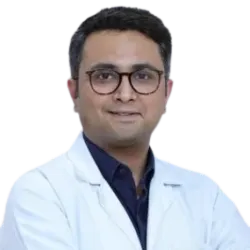
Persistent breathlessness, morning cough with sputum, or reduced walking capacity can point to COPD or another chronic lung problem — and should not be ignored. Dr Shubham Sharma, Transplant & Interventional Pulmonologist with focus on advanced lung failure and sleep medicine, sees patients with COPD and chronic breathlessness at Rama Speciality Clinics (Pratap Nagar / Sanganer) and Narayana Multispeciality Hospital, Jaipur. The goal of a visit is to clarify the cause of your symptoms, check lung function where needed, review inhalers and oxygen needs, and map a practical plan that may include pulmonary rehabilitation and, for selected advanced cases, higher-level respiratory support pathways.
What is COPD?
COPD (Chronic Obstructive Pulmonary Disease) is a long-term lung condition in which airflow out of the lungs is limited, often related to smoking, biomass/chulha smoke, occupational dusts, or other exposures. It commonly includes chronic bronchitis and emphysema patterns. Breathlessness tends to worsen gradually. Flare-ups (exacerbations) can be triggered by infections or pollution.
Chronic breathlessness can also come from asthma, ILD (interstitial lung disease), heart disease, anaemia, obesity, deconditioning, or sleep-related breathing disorders — so specialist assessment helps avoid wrong assumptions.
Common symptoms
• Shortness of breath on walking, stairs, or talking
• Chronic cough, with or without sputum (phlegm)
• Wheezing or chest tightness
• Frequent chest infections or “winter bronchitis”
• Fatigue and reduced daily activity
• Unintentional weight loss in advanced disease (needs medical review)
• Swelling of feet or morning headaches in some advanced cases (needs prompt assessment)
• Breathlessness that is new, unexplained, or steadily worsening
When to see a pulmonologist
See a lung specialist if:
• Breathlessness has lasted weeks to months, or is getting worse
• You have a smoking or biomass-smoke history with chronic cough
• Inhalers from a previous prescription are no longer enough
• You have had repeated antibiotic or steroid courses for “chest infections”
• Oxygen saturation is low, or you have been advised about home oxygen
• Walking distance has dropped, or you avoid activity because of breathing
• Diagnosis is unclear (COPD vs asthma vs ILD vs heart failure)
• You need guidance on pulmonary rehabilitation, inhaler technique, or smoking cessation support
• Advanced or progressive disease raises questions about NIV, hospital-level care, or transplant evaluation pathways
Urgent care is needed for sudden severe breathlessness, chest pain, coughing blood, confusion, or blue lips.
How evaluation typically works
A structured COPD / breathlessness work-up often includes:
1. Detailed history — smoking/biomass exposure, occupation, prior TB, heart disease, medications
2. Physical examination
3. Spirometry / pulmonary function tests to measure airflow limitation and severity pattern
4. Review of chest X-ray or CT when already done, or recommendation for imaging if clinically needed
5. Oxygen assessment and, where relevant, exercise capacity (for example walk tests as part of rehab pathways)
6. Inhaler device teaching and written/verbal action plan for flare-ups
7. Screening for related issues — sleep apnea symptoms, cardiac concerns, malnutrition, anxiety related to breathlessness
Not every patient needs every test; the plan is individualised.
Treatments overview (general, non-prescriptive)
COPD and chronic breathlessness care typically involves:
• Inhaled medicines (bronchodilators; inhaled steroids in selected patients as per clinical judgement)
• Smoking and exposure cessation — the most important step for those who still smoke or face indoor smoke
• Vaccinations as advised (for example influenza / pneumococcal where appropriate)
• Pulmonary rehabilitation — supervised exercise, breathing techniques, education, and support to improve stamina and confidence
• Oxygen therapy when tests show it is indicated — not based on breathlessness alone
• Management of flare-ups — early recognition, appropriate medicines, and knowing when to go to hospital
• Nutrition, activity pacing, and comorbidity care
For advanced lung failure, care may extend to non-invasive ventilation, intensive respiratory support, ECMO in life-threatening failure (hospital setting), and lung-transplant evaluation for carefully selected patients — areas aligned with Dr Sharma’s transplant pulmonology training and on-site advanced-care service pages. These are not first-line steps for mild disease.
Educational overview only. Treatment choices require in-person clinical assessment.
Why see Dr Shubham Sharma for COPD & breathlessness in Jaipur
• Training: DNB Respiratory Diseases; European Diploma in Adult Respiratory Medicine; Fellowship in Transplant Pulmonology (Medical University of Vienna)
• Scope that matches complex breathlessness: interventional pulmonology (EBUS-TBNA, bronchoscopy-related diagnostics where indicated), pulmonary rehabilitation, advanced lung failure pathways including ECMO support in appropriate settings, and lung-transplant–related care for end-stage disease
• Sleep medicine lens: breathlessness and fatigue sometimes overlap with sleep apnea — relevant when snoring, witnessed apneas, or unrefreshing sleep are present
• Two access points in Jaipur: Rama Speciality Clinics (Opp. Teja Ji Mandir, Main Tonk Road, Pratap Nagar / Sanganer) and Narayana Multispeciality Hospital
• Book: Call 08048060946 or WhatsApp 9024248683 | Instagram: lungrx.in
FAQs
1. Is COPD the same as asthma?
No. Both can cause wheeze and breathlessness, but COPD is usually linked to long-term exposures and more persistent airflow limitation. Some people have features of both (“asthma–COPD overlap”). Testing helps clarify.
2. Can COPD improve if I stop smoking?
Stopping smoking (or biomass smoke exposure) slows further damage and reduces flare-ups. Existing lung damage may not fully reverse, but symptoms and long-term outlook often improve with cessation plus proper treatment.
3. What is a COPD flare-up (exacerbation)?
A flare-up is a sudden worsening of breathlessness, cough, or sputum — often due to infection or pollution. Early medical advice matters; severe flare-ups need urgent care.
4. Do all COPD patients need oxygen at home?
No. Home oxygen is for people who meet clinical criteria on testing. Using oxygen without indication does not help and can be unsafe.
5. What is pulmonary rehabilitation?
A structured programme of exercise training, breathing strategies, and education for people with chronic lung disease. It aims to improve activity tolerance and day-to-day coping. Dr Sharma’s practice site describes a pulmonary rehabilitation programme for conditions including COPD.
6. When is lung transplant considered in COPD?
Only for selected patients with advanced disease after full specialist evaluation. Dr Sharma has fellowship training in lung transplantation (Medical University of Vienna) and practice pages describe transplant-related pathways — eligibility is highly individual.
7. Why is my breathlessness worse even when my “reports look okay”?
Breathlessness has many causes. Heart disease, anaemia, deconditioning, anxiety, or sleep apnea can contribute. Bring prior reports; a pulmonologist can help sort overlapping factors.
8. How do I book for COPD care with Dr Shubham Sharma?
Call 08048060946 or WhatsApp 9024248683. Clinic: Rama Speciality Clinics, Pratap Nagar / Sanganer (Main Tonk Road). Hospital consultations: Narayana Multispeciality Hospital, Jaipur.
Book for COPD or chronic breathlessness
Call: 08048060946
WhatsApp: 9024248683
Clinic: Rama Speciality Clinics — Opp. Teja Ji Mandir, Main Tonk Road, Pratap Nagar / Sanganer, Jaipur
Hospital: Consultant — Narayana Multispeciality Hospital, Jaipur
Instagram: lungrx.in
This page is for general education only and is not a substitute for personalised medical advice, diagnosis, or treatment. Individual care is decided after clinical assessment.
Jaipur
Never Miss an Update
Get useful tips, news, and offers straight to your inbox.